
How Insurance Companies Handle Car Accident Claims in Chico
Dealing with insurance company car accident claims in Chico can feel overwhelming, especially when you are already trying to recover from injuries, vehicle damage, missed work, and the stress of the crash itself. Most people expect the insurance process to be straightforward. You report the accident, explain what happened, send in documents, and wait for a fair settlement. Unfortunately, it is not always that simple. Insurance companies are businesses, and their goal is often to protect their bottom line. That does not mean every adjuster is unfair, but it does mean injured people should understand how the process works before accepting an offer or signing anything.
The Claim Usually Starts With Reporting the Accident
After a car accident in Chico, the insurance process often begins when one or more parties report the crash to an insurance company. This may include your own insurer, the other driver’s insurer, or both. The company will usually open a claim and assign an insurance adjuster to investigate.
The adjuster may ask for basic information such as:
- The date, time, and location of the crash
- The names and contact information of everyone involved
- Insurance and vehicle details
- A description of how the collision happened
- Photos of the vehicles, road conditions, and injuries
- A police report, if one was created
- Medical records and repair estimates
This first step may seem routine, but it can set the tone for the rest of the claim. What you say early on may be reviewed later, especially if the insurance company tries to argue that you were partly at fault or that your injuries are not as serious as you claim.
Insurance Adjusters Investigate the Crash
Once a claim is opened, the insurance adjuster begins investigating. The adjuster’s job is to gather information and determine how the insurance company should respond. In a Chico car accident case, the adjuster may review photos, statements, police reports, medical records, vehicle damage, and witness accounts.
They may also look for details that could reduce the value of your claim. For example, they may question whether your injuries were caused by the accident, whether you followed medical advice, or whether you had a pre-existing condition. If the crash happened at an intersection, in heavy traffic, or on a busy road, the adjuster may also look closely at who had the right of way and whether more than one driver shares responsibility.
This is one reason it is important to be careful when speaking with an insurance company. You should be honest, but you do not need to guess, exaggerate, or give long explanations. If you are unsure about something, it is better to say so than to make a statement that may later be used against you.
The Insurance Company May Ask for a Recorded Statement
One common step in the claims process is a request for a recorded statement. The adjuster may say this is just a routine part of the investigation. While that may be true, recorded statements can create problems for injured people.
During a recorded statement, the adjuster may ask questions about how the accident happened, how you feel, what injuries you have, your medical history, and whether you have returned to work. Even simple answers can be taken out of context. For example, if you say you are “fine” as a polite greeting, the company may later suggest that your injuries were minor.
Before giving a recorded statement, it is wise to speak with an attorney. This is especially important if you were seriously injured, fault is disputed, or the insurance company is already pressuring you to settle.
Medical Treatment Plays a Major Role in the Claim
Medical records are one of the most important parts of a car accident claim. Insurance companies look at the treatment you received, when you received it, what doctors diagnosed, and whether you followed recommended care.
If there are gaps in treatment, the insurer may argue that you were not badly hurt or that something else caused your pain. This can be frustrating because many people delay treatment for practical reasons. They may hope the pain goes away, lack health insurance, have trouble getting appointments, or need to care for family members. Still, from the insurance company’s point of view, delays and gaps may be used to reduce the value of the claim.
Common injuries in car accident claims may include:
- Neck and back injuries
- Whiplash
- Broken bones
- Head injuries and concussions
- Shoulder, knee, and joint injuries
- Soft tissue injuries
- Cuts, bruises, and scarring
- Emotional distress and anxiety after the crash
Getting timely medical care helps protect your health and creates documentation that may support your claim.
The Insurance Company Reviews Property Damage
Insurance companies also look closely at vehicle damage. In some cases, they may send an appraiser to inspect the vehicle or ask you to take it to an approved repair shop. If the car is repairable, the company may issue payment based on the repair estimate. If the vehicle is considered a total loss, the insurer may offer payment based on the vehicle’s market value before the crash.
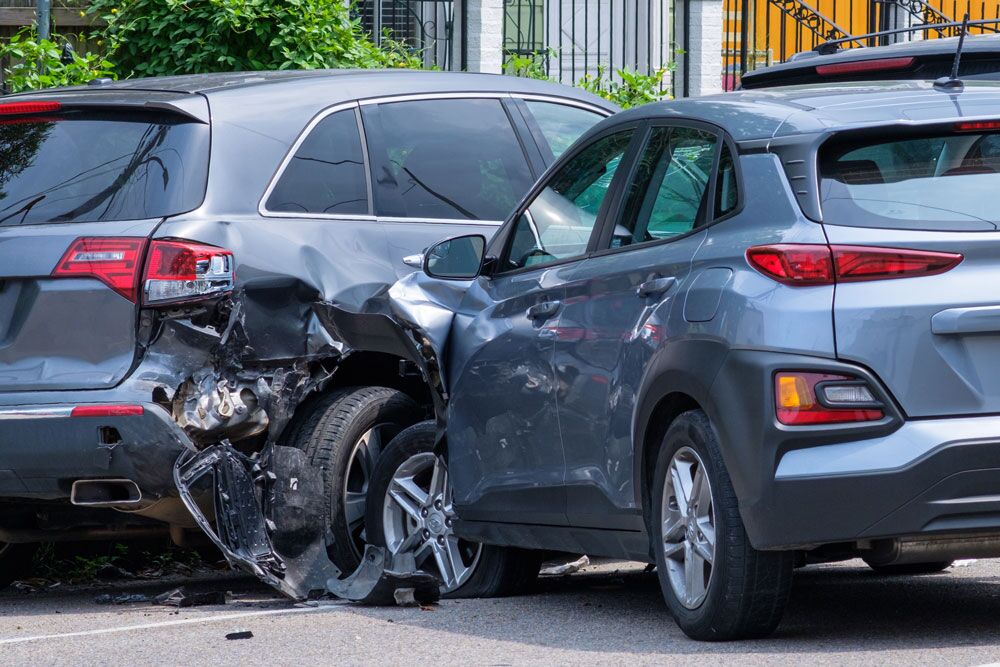
Property damage can also affect how the insurance company views the injury claim. If the vehicles do not look badly damaged, the insurer may argue that the crash was not serious enough to cause major injuries. This argument is not always fair. People can be injured even in crashes that do not look dramatic in photos. The force of impact, body position, age, prior health, and other factors can all matter.
Fault and Liability Are Closely Examined
Before paying a claim, an insurance company will look at liability. In plain terms, liability means who was legally responsible for the crash. In some cases, fault is clear. A driver may have run a red light, rear-ended another vehicle, made an unsafe turn, or driven while distracted.
In other cases, fault is more complicated. The insurance company may argue that both drivers played a role. They may claim you were speeding, failed to brake in time, changed lanes carelessly, or did not take steps to avoid the collision. Even if you know the other driver caused the crash, the insurance company may still look for ways to shift some blame.
Evidence can make a big difference. Helpful evidence may include:
- Police reports
- Witness statements
- Traffic camera or dashcam footage
- Photos from the accident scene
- Vehicle damage patterns
- Medical records
- Expert analysis, when needed
An experienced attorney can help gather and preserve evidence before it becomes harder to find.
Settlement Offers Often Start Low
Many people are surprised when the first settlement offer is much lower than expected. This is common. Insurance companies may start with a low offer to see whether the injured person will accept quick payment. If you are dealing with medical bills, lost wages, and transportation problems, a fast settlement may seem tempting.
The problem is that an early settlement may not cover the full cost of the accident. Once you settle, you usually cannot go back and ask for more money later, even if your injuries get worse or you need more treatment.
Before accepting an offer, it is important to consider the full impact of the crash, including:
- Current medical bills
- Future medical treatment
- Lost wages
- Reduced earning ability
- Pain and suffering
- Emotional distress
- Vehicle damage
- Rental car costs
- Out-of-pocket expenses
- Long-term limitations
A fair settlement should reflect more than the bills you have today. It should account for how the accident has affected your life and what you may need going forward.
Insurance Companies May Use Delay Tactics
Some insurance claims move quickly, but others drag on. Delays may happen because the insurer is waiting for records, reviewing liability, asking for more documentation, or evaluating damages. However, delays can also put pressure on injured people. The longer the claim takes, the more stressful the situation becomes.
You may be waiting for payment while bills pile up. You may be missing work or struggling to get your car repaired. This pressure can make a low settlement offer feel more attractive than it really is.
If the insurance company keeps delaying, an attorney can step in, communicate with the adjuster, and push the claim forward. Having legal representation can also show the insurer that you are taking the claim seriously.
Be Careful With Social Media
After a car accident, insurance companies may look at social media. Photos, posts, check-ins, and comments can be used to question your injuries or your version of events. Even innocent posts may be misunderstood.
For example, a photo of you smiling at a family gathering does not mean you are pain-free. A short walk outside does not mean you are fully healed. Still, insurance companies may try to use these moments against you.
While your claim is pending, it is smart to be cautious online. Avoid discussing the accident, your injuries, your activities, or the insurance claim. You may also want to review your privacy settings, but remember that privacy settings do not guarantee that posts will stay private.
Why Legal Help Can Make a Difference
A car accident claim is not just paperwork. It is a legal and financial process that can affect your recovery, your family, and your future. Insurance companies handle claims every day. Most injured people do not. That difference in experience can put accident victims at a disadvantage.
A skilled car accident attorney can help by:
- Investigating the crash
- Gathering evidence
- Communicating with insurance companies
- Reviewing medical records
- Calculating damages
- Negotiating for a fair settlement
- Protecting you from unfair tactics
- Preparing the case for litigation if needed
Having an attorney does not mean every case goes to court. Many claims settle outside of court. However, being prepared can improve your position during negotiations.
FAQ
How soon should I contact the insurance company after a crash?
You should report the accident as soon as reasonably possible, especially if your policy requires prompt notice. However, be careful about giving detailed statements before you understand your rights. Basic facts are usually enough at the beginning.
Should I accept the first settlement offer?
Not without reviewing the full value of your claim. First offers are often lower than what may be fair. You should consider medical bills, lost income, future care, pain and suffering, and other losses before accepting.
What if the other driver’s insurance company calls me?
You can speak with them, but you should be cautious. The other driver’s insurer is not on your side. Avoid guessing, admitting fault, or giving a recorded statement before speaking with an attorney.
What if I was partly at fault for the accident?
You may still have a claim, depending on the facts. Fault can be complicated, and insurance companies may try to blame you more than they should. An attorney can review the evidence and help protect your position.
How long does a car accident claim take?
It depends on the seriousness of the injuries, the amount of treatment needed, whether fault is disputed, and how cooperative the insurance company is. Some claims resolve in a few months, while more complex cases can take longer.
Do I need a lawyer for a minor accident?
Not every minor accident requires a lawyer. However, if you are injured, fault is disputed, the insurer is denying the claim, or the settlement offer seems too low, it is wise to get legal guidance.
What should I avoid after filing a claim?
Avoid giving recorded statements without advice, signing documents you do not understand, posting about the accident online, skipping medical treatment, or accepting a quick settlement before you know the full extent of your injuries.
Call The Law Offices of Max G. Arnold Today
Injury incidents occur around the clock in Chico, Redding, and Santa Rosa, CA. While these accidents may be hard to avoid, obtaining justice and maximum compensation from a negligent party can be within reach with the help of a proven attorney. The Law Offices of Max G. Arnold fearlessly stand up for the injured. Let our diligent legal team advocate for your best interests and put their extensive legal abilities to work for you.
If you were hurt in a car accident and are now dealing with the insurance company, you do not have to handle the process alone. The Law Offices of Max G. Arnold can help you understand your options, protect your rights, and pursue the compensation you deserve. Contact us today to discuss your car accident claim and take the next step toward justice.
Categorised in: Car Accident